

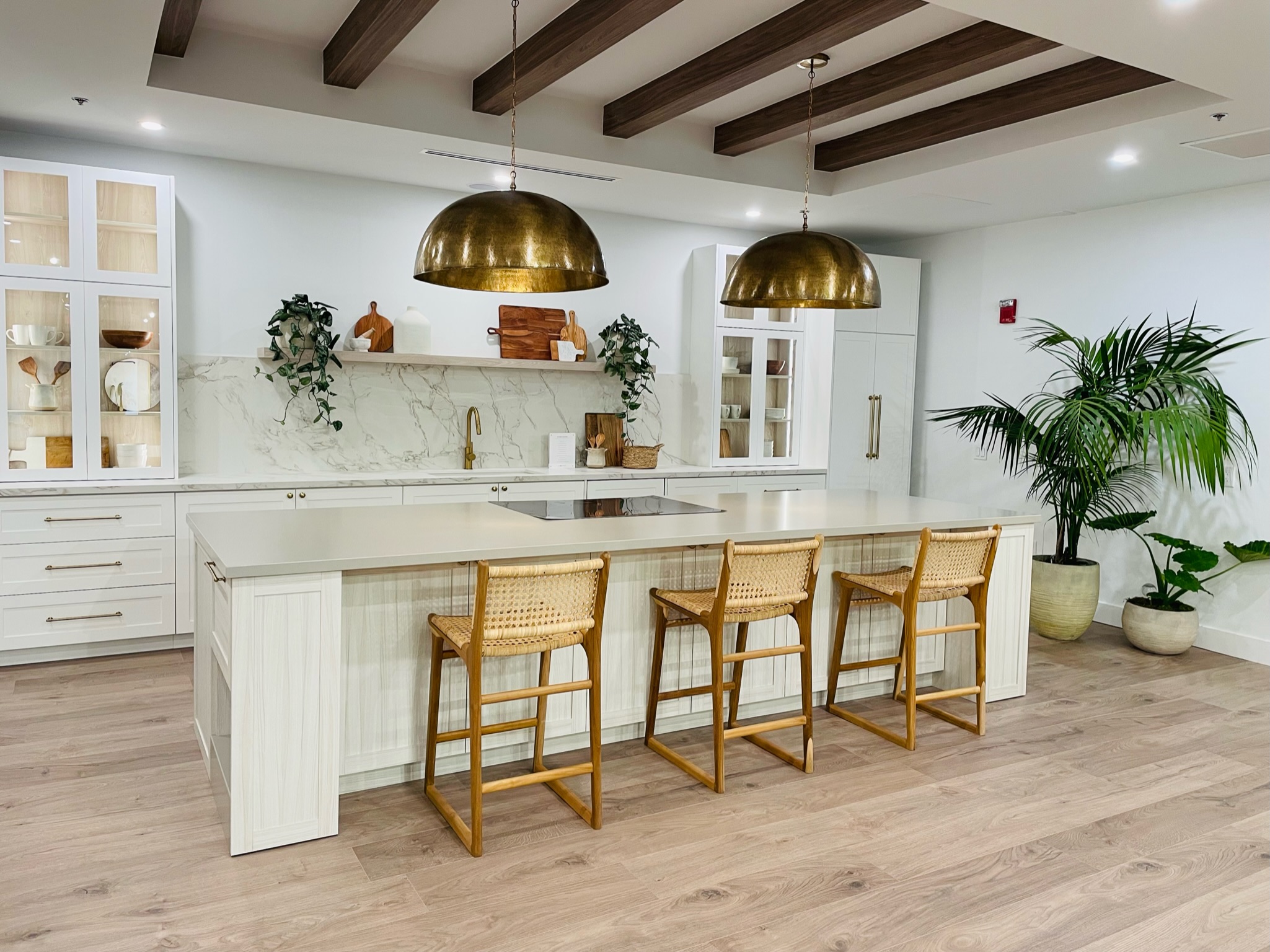
You hear your upstairs neighbor’s heels, your downstairs neighbor hears your dog, and everyone hears rolling suitcases in the hallway. In a shared building, the wrong floor can turn normal life into constant noise complaints. That’s why laminate can be such a smart upgrade for townhouses and condos in the DMV: it gives you the clean look of wood, stands up to busy households, and—if you choose the right construction—keeps the peace with your HOA and your neighbors.
What Makes a Laminate “Townhouse- and Condo-Friendly”?
Not every product that looks like wood is a good fit for multi-level living. In attached homes, noise control, moisture resistance, and stability matter just as much as style.
The first thing to look at is sound. Many associations require minimum IIC/STC ratings for floors over another unit. Laminate on its own is fairly rigid, but pair it with a quality acoustic underlayment and you get a system that softens footsteps and rolling noise so your downstairs neighbor isn’t listening to your schedule. Floating click-together planks are common in condos, but the underlayment choice is what usually determines whether you pass building rules or fail an inspection.
Climate is the second piece. Our Mid-Atlantic humidity swings can make some materials swell or gap. Better laminate lines use dense, stabilized cores that handle seasonal shifts without telegraphing every change as a seam or squeak. When you browse styles in our laminate catalog, pay attention to features like water resistance, AC wear ratings, and attached pads—those details matter more in a multi-family building than in a detached house.
Noise, Comfort, and HOA Rules
If you live over someone else, the floor becomes part of your relationship with them. The same surface also has to feel comfortable under your own feet and meet written HOA standards.
Many communities specify a minimum percentage of the floor that must be covered with soft material, or they call out performance numbers rather than specific products. Laminate paired with the right underlayment lets you hit those acoustic targets without giving up the look of wide-plank oak or herringbone. In bedrooms and hallways, a couple of well-placed rugs over laminate can further cut sound transfer while keeping cleaning simple.
Professional installation plays a big role here too. Gaps around the perimeter, missed transitions, or the wrong underlayment can all increase noise instead of reducing it. Our installers work with these details every day, and our full range of flooring services is set up to handle everything from subfloor prep to tricky thresholds at condo entry doors.
Durability in Small, High-Traffic Spaces
Townhouses and condos often concentrate traffic in a few key zones: entries, stairs, galley kitchens, and main living areas. Those spots see more grit, pet claws, rolling chairs, and moving boxes than the average room in a larger single-family home.
This is where laminate’s wear layer and rating really matter. Higher AC ratings mean better resistance to scratching and surface wear, which is important when there’s no spare room to “hide” damage. Water-resistant and waterproof constructions add another layer of protection against wet boots, spilled drinks, and the occasional pet accident. For households that love the look of site-finished wood but need something tougher and easier to maintain, pairing laminate in the main living area with refinished hardwood on existing stairs can be a smart hybrid approach; our team handles both materials, including hardwood refinishing and new planks when you want real wood in select spaces.
If you’d like to see how different materials actually look in homes similar to yours, it helps to study real projects rather than just samples. Our completed project gallery shows how customers across the region have mixed laminate, hardwood, tile, and other finishes in attached housing.
Designing for Resale and Everyday Living
In a market where many buyers are government workers or military families, resale is never far from mind. Well-chosen laminate can support both your daily life and future listing photos. Consistent flooring across the main level makes smaller townhouses and condos feel larger and more cohesive, while wood-look patterns keep things timeless. Choosing neutral, mid-tone colors helps you avoid clashing with existing trim and kitchen cabinets, which is especially useful if you’re not remodeling the whole space at once.
Because we’re a full-service remodeler as well as a flooring shop, we can also coordinate new laminate with painting, lighting, and even kitchen or bath updates when you’re ready to tackle more than one project. Homeowners who like to see, touch, and compare options before committing often start by visiting our Alexandria showroom on Richmond Highway, where we can walk through brands, underlayments, and layout ideas specific to multi-level living.
Ready to Find the Right Laminate for Your Space?
The best laminate for a townhouse or condo balances sound control, durability, and style while respecting building rules and your long-term plans. If you’d like help sorting through options, layout ideas, and installation details for your specific unit, request a free estimate and we’ll connect you with a project specialist who can guide you from product selection through final installation.


