

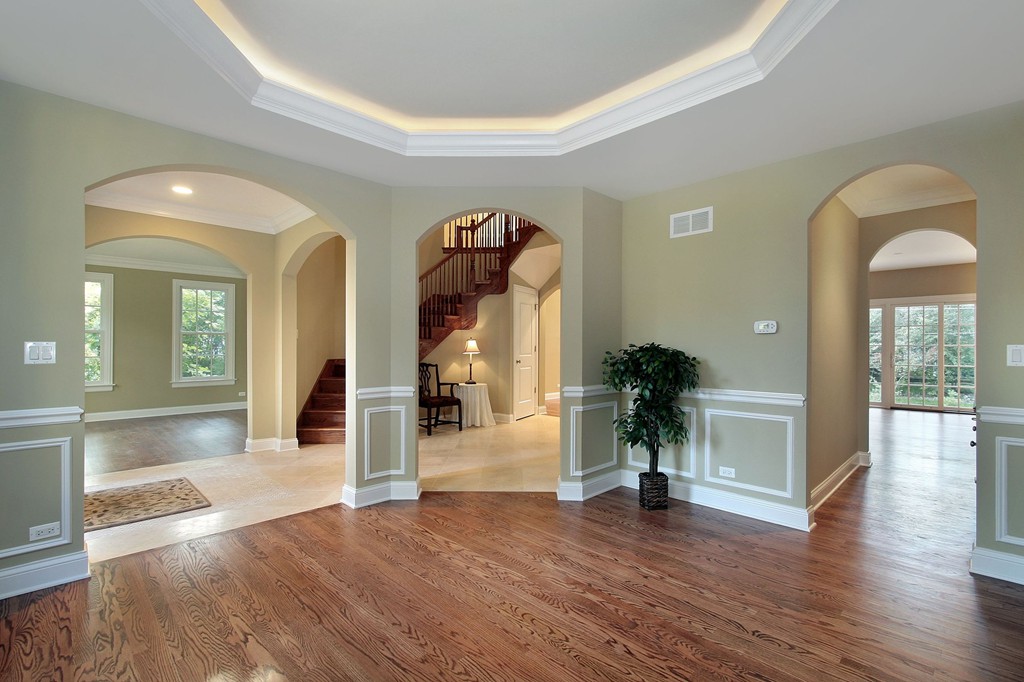
If you own a split-level home, you already know one floor never tells the whole story. The entry level may deal with damp shoes, the main living area gets the most daily traffic, and the upper rooms often feel the seasonal humidity swings first. That makes hardwood selection less about what looks best in a sample and more about what will stay stable and beautiful in real life.
In many of the homes we see, the question is not whether wood is worth it. It is whether engineered or solid boards make more sense for the way the house is built.
Why split-level layouts change the hardwood decision
A split-level creates small but important transitions in temperature, moisture, and subfloor conditions. One level may sit closer to a slab or lower-grade area, while another is installed over older plywood. In the Mid-Atlantic, those surfaces also live through humid summers and dry heating seasons, which is exactly when movement at the joints starts to matter.
That is why we often steer homeowners toward engineered hardwood when the home has varied conditions from level to level. Its layered construction gives it better dimensional stability, so it handles seasonal swings more gracefully than a traditional plank in many installations. Solid wood still has a place, but the structure of the house has to support that choice.
When solid hardwood is still the right call
Solid planks remain a great option when you want a floor with a long life cycle and the ability to be sanded multiple times over the years. On an upper level with stable indoor conditions, that can be a smart investment. It also tends to appeal to buyers who appreciate classic materials in older properties around Alexandria and nearby neighborhoods where resale details carry weight.
Species matters just as much as construction. For example, oak hardwood is popular for a reason: it balances durability, grain character, and style flexibility. It can read traditional or updated depending on stain, plank width, and the rest of the interior. If you love the idea of wood that can age with the house, solid oak is often where the conversation starts.
Where engineered wood tends to win in real homes
Engineered boards usually shine on main levels, lower transitions, and spaces where indoor conditions are less predictable. They are especially practical when a home has minor subfloor irregularities or when installation needs to move efficiently without sacrificing performance. In Springfield, that matters because many split-levels have seen partial renovations over time, which means one section of the home may not match another underneath the surface.
Performance also depends on installation quality. Proper prep, moisture testing, and acclimation make the difference between a floor that settles in well and one that starts showing avoidable gaps or noise. That is why we encourage homeowners to understand what is included in our flooring installation services before they compare quotes. A lower product price does not help much if the prep work is rushed.
Think beyond the floor itself
Hardwood choices rarely happen in isolation. A split-level often comes with connected updates: repainting walls, changing railings, remodeling a kitchen, or reworking an entry that now feels dated next to new floors. Because we handle more than materials alone, we can help homeowners coordinate wood selection with full home improvement services so the finished result feels intentional instead of pieced together.
At Rick’s Flooring and Home Improvement, we price-match Home Depot and Lowe’s on flooring, but what keeps people coming back is the craftsmanship around the decision. We help you choose what fits the house, not just what looks good under showroom lighting. If you want help comparing options for your split-level in the DMV, you can start with a free flooring estimate and we’ll walk you through what makes the most sense for your layout.


